An unboxing failure (DOA) or a leaking pod right out of the package reflects a core challenge in hardware production: balancing mass throughput with strict vape quality control. While consumers often attribute a non-firing device to a low battery or a faulty draw, these early-stage hardware failures are directly tied to the specific vape manufacturing inspection protocols chosen during assembly.
What Is 100% Inspection in Vape Manufacturing?
In large-scale hardware electronics, final verification typically splits into two methods: Acceptable Quality Limit (AQL) sampling and 100% inspection vape manufacturing.
Under an AQL model, quality teams randomly test a statistically significant subset of a batch—for instance, 200 units out of a 10,000-unit production run. If the variance remains within pre-defined thresholds, the entire batch passes. Conversely, 100% inspection requires every single device and pod to undergo functional testing before entering the final packaging line, isolating individual defects rather than relying on statistical probability.
In this industry, this distinction matters because hardware failures are often isolated at the component level rather than evenly distributed across an entire batch.
Why Some Vape Factories Avoid 100% Inspection: Cost vs. Consistency
Implementing 100% inspection across millions of units introduces significant production bottlenecks. Maintaining vape quality consistency at scale requires substantial infrastructure investments:
Equipment and Calibration Overhead: True individual testing requires dedicated, inline automated systems to measure airflow activation thresholds, battery voltage stability, and pressure retention. These systems demand regular calibration and reduce line speed.
Throughput Reduction: Adding a comprehensive testing gate immediately extends the cycle time per unit, limiting a facility's daily output.
For high-volume, low-margin facilities competing primarily on speed and price, absorbing a marginal vape defect rate is often financially preferable to reducing throughput capacity. They offload quality assurance costs onto the post-sale replacement cycle.
The Risk of Sampling-Only Vape Production Quality Control
While statistical sampling works effectively for low-complexity consumer goods, it creates distinct blind spots in vape production quality control. Modern closed-system hardware is highly integrated. A standard pod system compacts a lithium-ion cell, a pneumatic sensor, an ASIC chip, and a liquid reservoir into a minimal footprint.
At this scale, engineering tolerances are unforgiving. A slight solder offset interrupts electrical continuity, while a misplaced silicone gasket instantly compromises sealing integrity under pressure. Similarly, micro-deviations in airflow calibration alter activation sensitivity from one device to the next.
Sampling guarantees the overall yield metric of a batch, but it cannot prevent these isolated component failures. As device structures become smaller and more integrated, production consistency increasingly depends on process-level inspection rather than statistical sampling alone.
How SP2S Builds a Reliable Vape Quality Assurance System
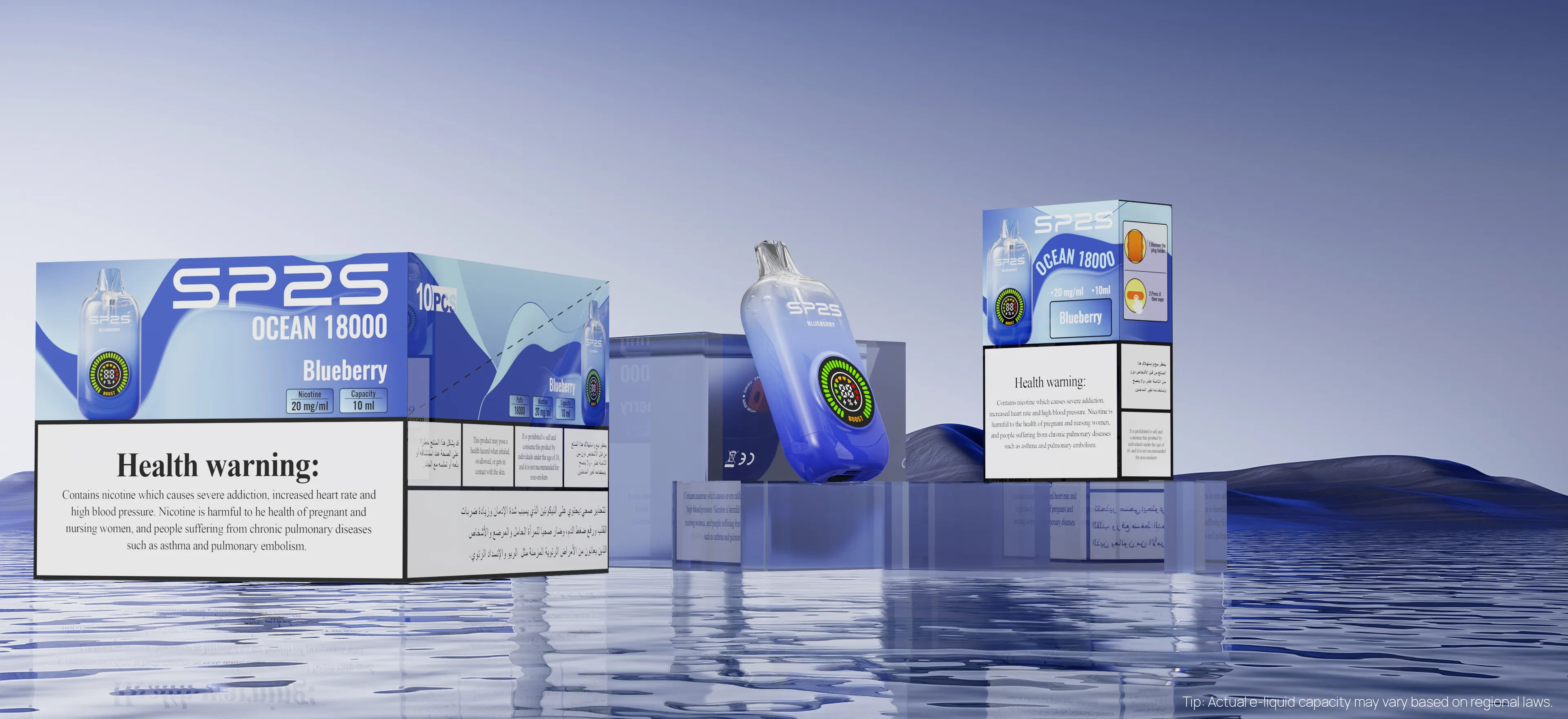
To mitigate early-stage hardware failures, SP2S operates on strict vape manufacturing standards that prioritize absolute reliability over maximum throughput. Our vape quality assurance system bypasses the statistical guesswork of traditional sampling by embedding automated testing directly into the assembly line.
Every SP2S pod system and component undergoes two critical automated checks before final packaging:
Automated Airflow and Activation Testing: Specialized pneumatic sensors simulate a precise draw profile on every device. This validates the pneumatic switch responsiveness, checking for airflow deviation and ensuring the battery activation threshold falls exactly within engineering specifications.
Vacuum Pressure Variance Testing: Every pod enters an automated vacuum chamber to evaluate sealing integrity under differential pressure. This step simulates environmental pressure drops—such as altitude shifts during transit—to identify and reject pods with microscopic seal vulnerabilities before they ship.
For manufacturers, 100% inspection increases operational costs and slows down immediate throughput. For consumers and distribution partners, however, it determines whether a device functions as engineered the moment it leaves the box. At SP2S, we believe manufacturing consistency is not an optional marketing feature; it is a baseline engineering responsibility.


Leave A Comment
Your email address will not be published.