A “10,000-puff” label is not a counter that guarantees the same number of draws for every user. It is an estimate produced under particular conditions, while real-world puff count changes with the way you inhale and with the point at which the device can no longer deliver a normal puff.
A puff count makes sense only when a puff has been defined. Duration, draw volume, flow rate and the time between puffs all affect how much aerosol a device produces and how quickly it uses its available resources.
Standardized laboratory regimes show why those details matter. For example, a CORESTA study used a fixed puff volume of 55 mL, a three-second puff duration and a 30-second interval to generate aerosol consistently. Such a regime illustrates why puff-count testing needs defined conditions, but it does not establish a universal method for commercial puff-count claims.
The UK government’s Vaping Products Duty consultation also notes that puff size, duration and frequency vary between products, brands and individuals. Without the conditions behind a claim, the package number is best treated as a reference—not a prediction of exactly how many puffs you will get.
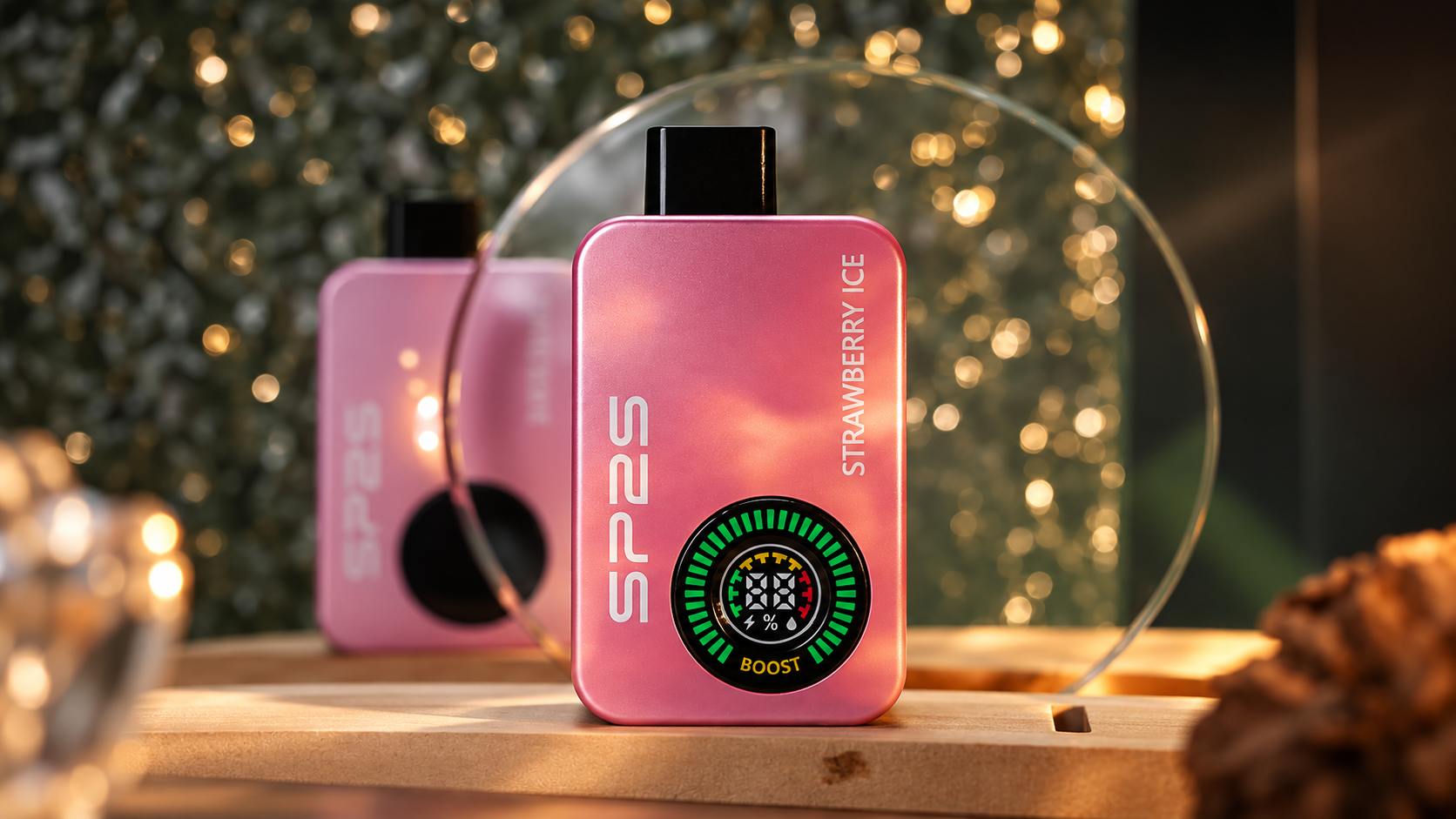
A longer draw keeps the heating system active for more time, while a larger draw moves more air through the device. Under similar conditions, either can increase the amount of liquid vaporized in one puff. A short draw and a long draw are not equal units, and there is no reliable universal conversion from label puffs to personal puffs.
The interval between draws affects more than how quickly you use the device during the day. The wick also needs time to bring liquid back toward the heating area. Repeated draws with very short intervals may outpace that process, reducing aerosol output or producing a dry or burnt taste before all visible liquid has been used. There is no single waiting time that applies to every device.
Power output, coil design and the device’s control strategy work together to determine how much liquid and battery energy each draw uses. A higher-output or Boost mode can increase aerosol production per puff, but the effect on total puff count depends on the specific device. Modes should therefore be compared under their own disclosed test conditions, not assumed to deliver the same lifespan. For more context, see the SP2S guide to coil and airflow choices.
Airflow changes how a draw feels and can influence its volume, duration and intensity. A tight mouth-to-lung draw and an open direct-to-lung draw are not equivalent measurements. Users may also compensate for a lighter or denser draw by inhaling longer or harder. The SP2S explanation of MTL and DTL vaping styles covers that distinction in more detail.
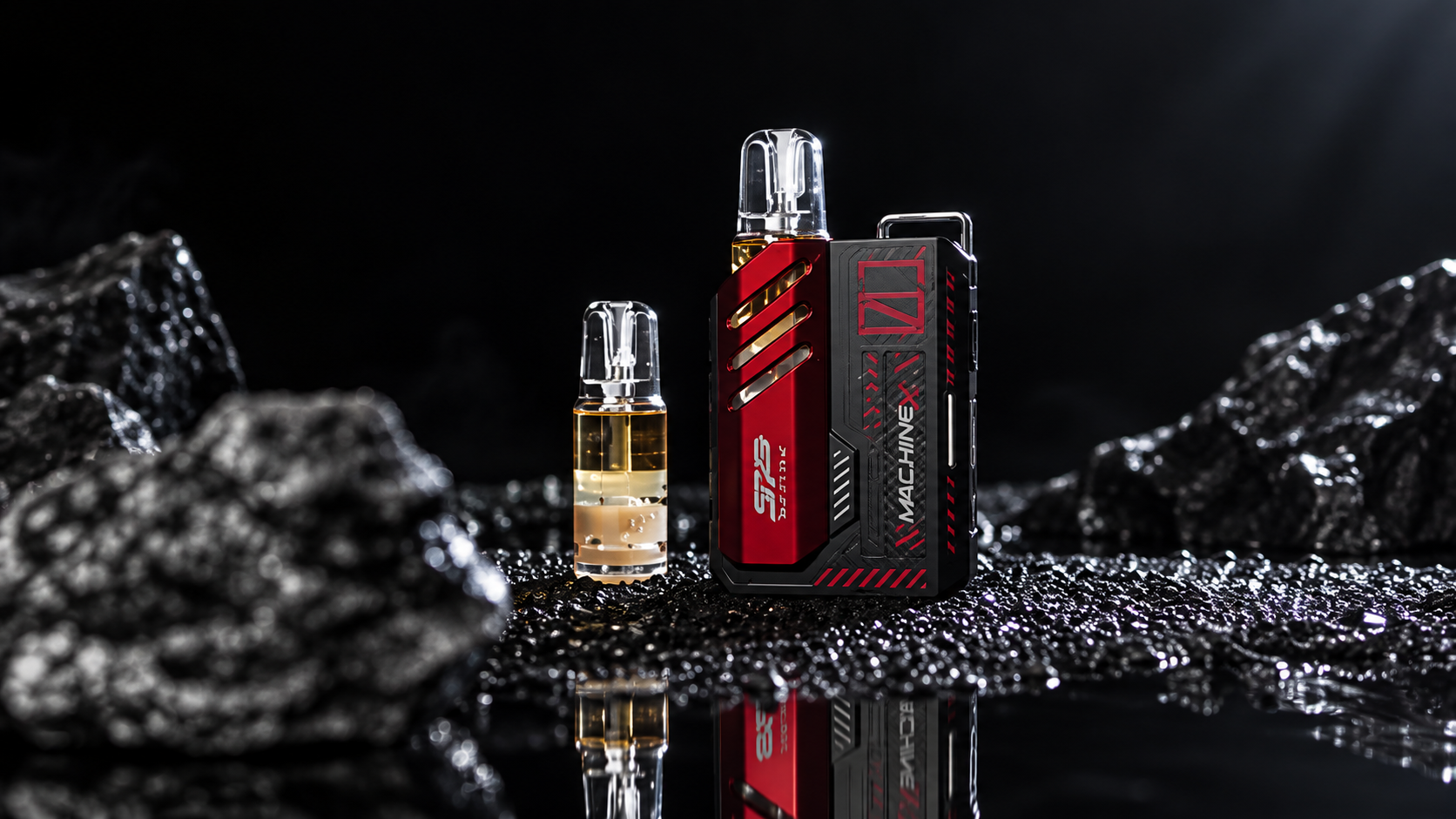
A device stops providing useful puffs when one of its limiting systems can no longer support normal operation. That may involve available liquid, battery output, wicking, coil condition, sensing or a protection cutoff. These limits do not always arrive together. Liquid that remains visible may not be positioned where the wick can supply it consistently, while low battery output or a protection feature may stop operation earlier. Cold conditions can also affect battery performance and liquid movement, as explained in the SP2S cold and damp weather guide.
Start by checking whether the manufacturer discloses its test conditions. Then consider liquid volume, power mode, airflow, charging arrangement and how closely the tested draw resembles your own. Puff claims from different devices are most comparable when their test methods and operating settings are similar.
Do not assume that every large difference is simply caused by your habits. If a device develops a burnt taste, leaks, overheats or stops operating abnormally, stop using it rather than trying to bypass its protections. The useful question is not whether a label number must match your personal count exactly, but whether the estimate, test conditions and actual device performance make sense together.



Leave A Comment
Your email address will not be published.