Pennsylvania’s Office of Attorney General may begin enforcing Act 57 on October 19, 2026, against covered vape products missing from the state directory. Wholesalers and retailers should verify each product before releasing Pennsylvania orders or assigning inventory to that market. This is a directory requirement, rather than a blanket ban on every vape.
Act 57 was signed on December 22, 2025; its directory provisions took effect on February 20, 2026. The directory first appeared on June 18, 2026. October 19 is the announced enforcement date, not the law’s commencement.
Covered categories include e-liquids, cartridges, pods and disposables. Certain separately sold parts and components also fall within scope. A device’s shape or refill format does not settle whether it requires listing.
Nicotine-free products sold under the same brand name as nicotine-containing e-cigarettes are also subject to certification and listing requirements. Manufacturers must document the absence of nicotine, including testing from a domestic certified laboratory. Do not assume that “zero nicotine” or an empty device establishes an exemption; refer unclear configurations to the Attorney General’s office. These boundaries are explained in the official ENDS FAQ.
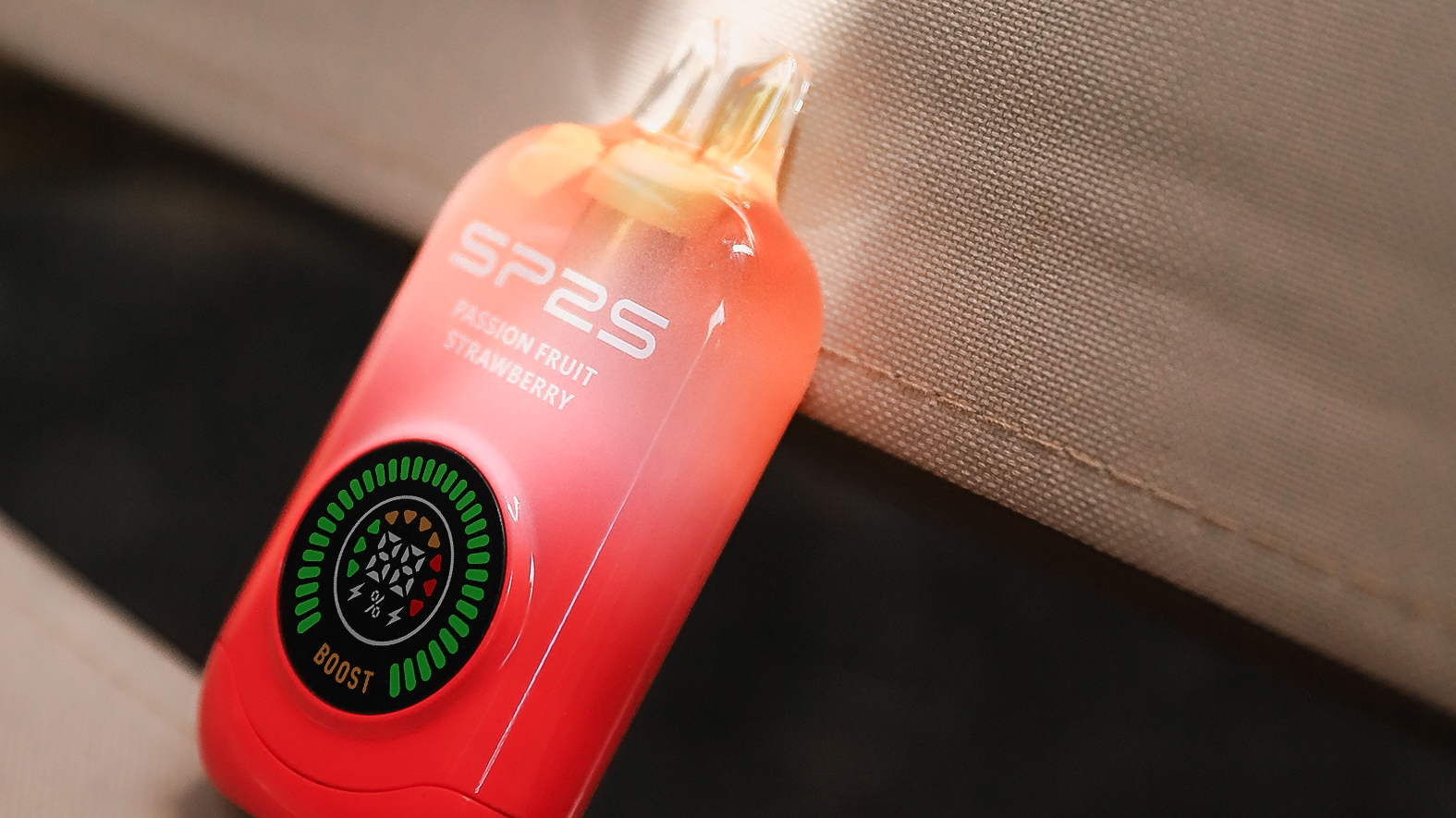
Use the official Pennsylvania ENDS Directory. Match the manufacturer, brand family, style, nicotine content, flavor, type and package against the product being ordered. A matching brand alone does not establish that every configuration is listed.
The separate pending-certification disclosure does not show that statutory requirements are met or substantive review is complete. A state application is not a directory listing.
State eligibility includes FDA marketing authorization and specified alternatives. The timely filed PMTA route concerns tobacco-derived nicotine products marketed in the United States as of August 8, 2016, with applications submitted by September 9, 2020, accepted for filing and still under review. Certain denial orders subject to an effective FDA or court stay can also qualify.
These state pathways do not establish federal authorization. FDA explains that a pending application generally provides no sales safe harbor, and its database does not replace state or local requirements. Keep the state listing and applicable federal evidence separate in the review record.
The official FAQ says unlisted products sold, offered for sale or possessed for sale in Pennsylvania become subject to seizure beginning October 19.
Under Section 206-I(o), retailers, wholesalers and importers face a first-offense civil penalty of $500 per product offered for sale. A second violation within 12 months carries $750–$1,000 per day per product and license suspension for at least 14 days. A third within 12 months carries $1,000–$1,500 per day per product and license revocation.
For a first offense, authorities may negotiate the penalty to an amount sufficient to cover destruction costs if the retailer demonstrates removal or proper listing within 30 business days of the violation notice. Without an agreement, the full penalty remains recoverable.
Manufacturers face a separate $1,000-per-product penalty for unlisted products sold for Pennsylvania retail sale. Destruction costs can also apply.
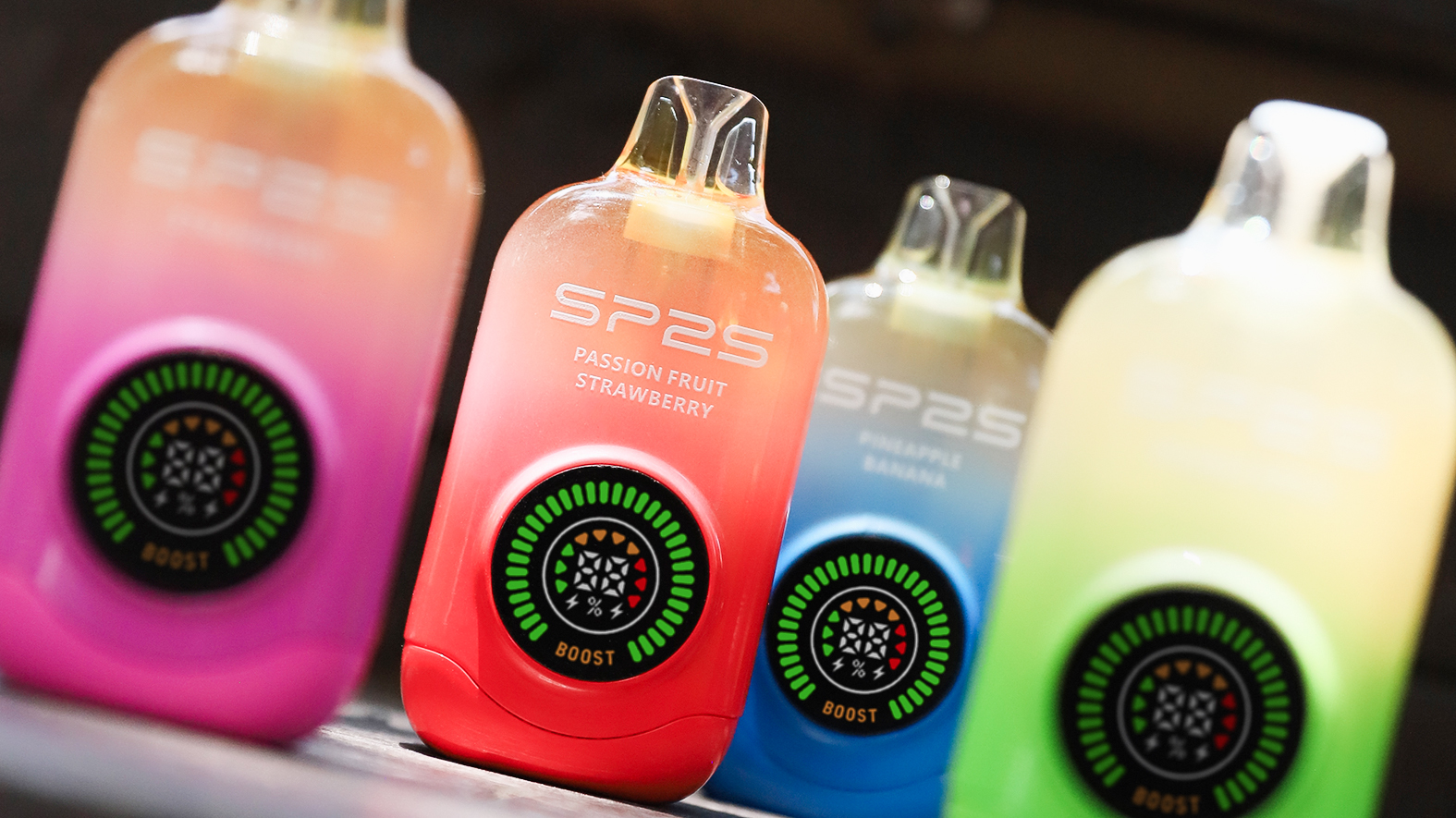
Recommended business checks:
Directory listing does not replace licensing: Pennsylvania’s Revenue Department separately requires retailers to purchase tobacco products from licensed wholesalers.
The FAQ distinguishes wholesalers’ temporary inventory retention from permission to replenish stock or sell unlisted goods to retailers. For inventory held solely for another jurisdiction, wholesalers must physically separate it from Pennsylvania stock and use ordering controls that prevent Pennsylvania sales. This does not establish legality in the destination market.
Use market-specific product checks when assigning inventory to destinations. For broader purchasing reviews, see U.S. vape hardware procurement checks. Return to current official materials before releasing orders, and send unresolved product questions to the Attorney General’s office.


Leave A Comment
Your email address will not be published.