Before approving one bulk order for distributors in several countries, a buyer needs more than a shared model number. The same vape hardware can require different liquids, packaging, notifications, licences and supply arrangements in each destination.
An internal SKU identifies an inventory item. It does not establish market access. A supplier’s catalogue or test report may describe the device, but buyers still need to connect that evidence to the finished product and its intended route to sale.
For electronic cigarettes and refill containers covered by Article 20 of the Tobacco Products Directive, nicotine-containing liquid is limited to 20 mg/mL. Cartridges or tanks are limited to 2 mL, and dedicated refill containers to 10 mL.
Manufacturers or importers must notify the relevant Member State six months before intended market placement. A substantial product modification requires a new notification. These requirements are set out in Article 20 of Directive 2014/40/EU.
National restrictions also matter. France prohibits sales and distribution of non-refillable prefilled vaping devices, with an exception for cartridges. See the French public health code and how European vape rules vary by country.
TGO 110 (2024) sets requirements for specified unapproved therapeutic vaping substances, substance accessories, kits and packs whose only therapeutic indications are smoking cessation or management of nicotine dependence. It covers ingredients, containers, labelling and packaging; device requirements are separate.
For relevant unapproved substances, permitted flavour categories are mint, menthol and tobacco, subject to formulation rules. The nicotine ceiling is 50 mg/mL, expressed as nicotine base equivalent. Meeting that ceiling does not authorize supply. See the TGO 110 guidance.
Unless an exemption applies, therapeutic vapes must be notified as compliant with relevant standards before import, manufacture or supply. Consumer supply is through pharmacies. The TGA compliance guidance explains the pathway.
From April 24, 2026, South Korea’s expanded tobacco definition includes products made using tobacco or nicotine as raw material, bringing synthetic-nicotine liquid vapes within the tobacco framework. See the implementation notice.
Confirm applicable packaging warnings, advertising restrictions and sales requirements before approving the market version. The Ministry of Health and Welfare policy notice provides regulatory context; South Korea’s synthetic-nicotine market update covers the wider market.
For covered vape products, DTI DAO 24-11 ended recognition of the Import Commodity Clearance (ICC) scheme. Existing stock with valid ICCs may be sold until exhausted. A Philippine Standard (PS) licence application is tied to the manufacturing site, importer or local office/agent, and brand.
DTI DAO 25-10 requires a valid PS licence for covered imports and prohibits imports under a suspended licence. Check the actual licence against the planned shipment and supply chain.
Compare the approved sample, specification, artwork and production records, and link each batch to its market version. If the liquid, packaging or supply-chain parties change, recheck the relevant notification or licence scope before production.
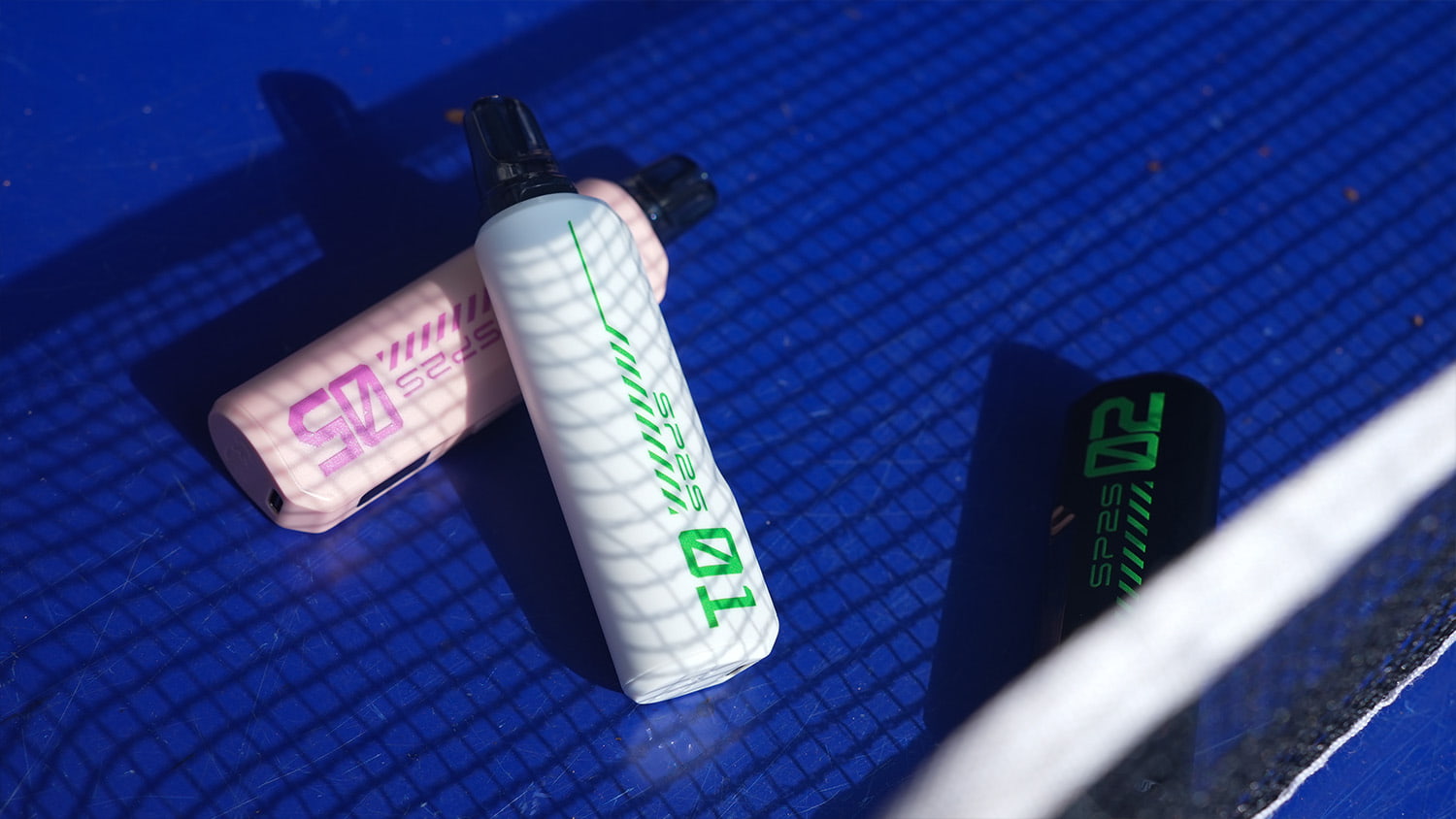
For a wholesale project, use the SP2S contact form to share your target country, supply channel, proposed configuration and available compliance documents.


Leave A Comment
Your email address will not be published.